Balayage vs Highlights: Which One Is Right for You?
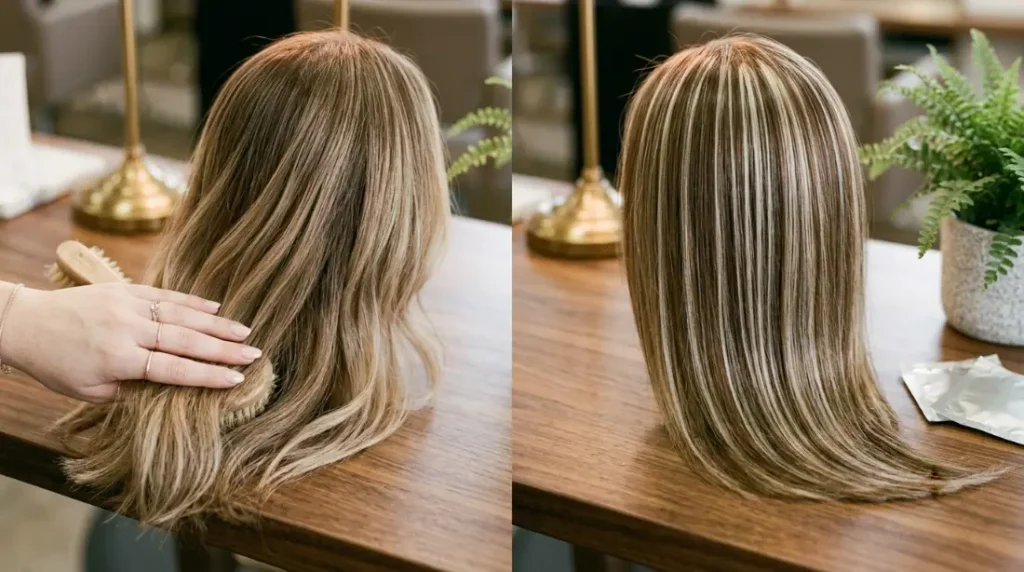
If you’re thinking about lightening your hair, you’ve probably come across two of the most popular colouring techniques—balayage and highlights. While both can add dimension, brightness and depth to your hair, they create very different results. So, how do you know which one is right for you? The answer depends on your hair colour, your lifestyle, the amount of maintenance you’re comfortable with, and the look you’re hoping to achieve. At Adrian D Salon, every colour appointment begins with a consultation to understand your hair goals before recommending the technique that’s best suited to you. Here’s everything you need to know about balayage and highlights. What Is Balayage? Balayage is a freehand colouring technique where colour is painted directly onto the hair rather than applied using traditional foils. The word balayage comes from the French word meaning “to sweep,” which perfectly describes how the colour is applied. The goal is to create a soft, natural-looking transition from darker roots to lighter ends, giving your hair a sun-kissed effect with plenty of dimension. One of the biggest advantages of balayage is that it grows out beautifully. Because the colour blends seamlessly with your natural hair, there are no harsh regrowth lines, making it an excellent choice for anyone looking for a low-maintenance colour. What Are Traditional Highlights? Traditional highlights use foils to lighten selected sections of the hair from root to tip. Unlike balayage, highlights create a more structured and even distribution of lighter strands throughout the hair. Depending on the look you’re after, they can be subtle and natural or bright and bold. Highlights are a great option if you’re looking for an all-over lighter appearance or want to create more contrast throughout your hair. They also allow your stylist to precisely control where the lighter pieces are placed, making them ideal for achieving a more uniform result. Balayage vs Highlights: Maintenance Differences One of the biggest factors to consider when choosing between balayage and highlights is maintenance. Because balayage blends naturally with your root colour, regrowth is much less noticeable. Many clients can go several months before needing a touch-up, making it a popular option for busy lifestyles. Traditional highlights generally require more regular maintenance, as the colour starts closer to the roots. As your hair grows, the regrowth becomes more visible, meaning touch-up appointments are typically needed more often to keep your colour looking fresh. Whichever option you choose, using colour-safe products and scheduling regular toning appointments can help maintain brightness and extend the life of your colour. Which Technique Works Best for Different Hair Colours? Both balayage and highlights can be customised to suit almost every hair colour, but each technique creates a different effect. For darker brunettes, balayage often creates a softer, more natural transition with warm caramel, chocolate or honey tones that add dimension without looking overly dramatic. Blondes can benefit from either technique. Balayage creates a lived-in, beachy look, while highlights can achieve a brighter, cooler blonde with more overall lift. Those with naturally light brown hair often have the flexibility to choose either option depending on whether they prefer a subtle, low-maintenance finish or a brighter, more defined look. During your consultation, your stylist will also consider your skin tone, hair condition and previous colour history to recommend shades that complement your features while maintaining the health of your hair. Cost and Longevity The cost of balayage and highlights can vary depending on your hair length, thickness and the amount of work required. Balayage appointments may take longer because the colour is applied freehand and carefully blended to create a seamless finish. However, because it grows out so naturally, many clients find they need fewer maintenance appointments throughout the year. Highlights may have a slightly lower initial cost in some cases, but because root touch-ups are usually required more frequently, ongoing maintenance can be higher over time. Rather than focusing only on the price of the first appointment, it’s worth considering the long-term upkeep that best suits your lifestyle and budget. So, Which One Should You Choose? There’s no single “better” option—only the one that’s right for you. If you’re looking for soft, natural-looking colour with minimal maintenance, balayage is often the perfect choice. If you love brighter, more defined colour that starts closer to the roots and creates a more uniform finish, traditional highlights may be the better option. The best way to decide is through a professional consultation. Your stylist can assess your hair type, current colour, hair health and desired outcome before recommending the technique that will give you the best results. At Adrian D Salon, we believe that every colour service should be as unique as the person wearing it. Whether you’re considering a subtle balayage, classic highlights or a complete colour transformation, our experienced colour specialists will create a personalised look that complements your features, suits your lifestyle and keeps your hair looking healthy. Book your consultation today and let us help you discover the colouring technique that’s perfect for you.
The Truth About Hair Botox: Everything You Need to Know
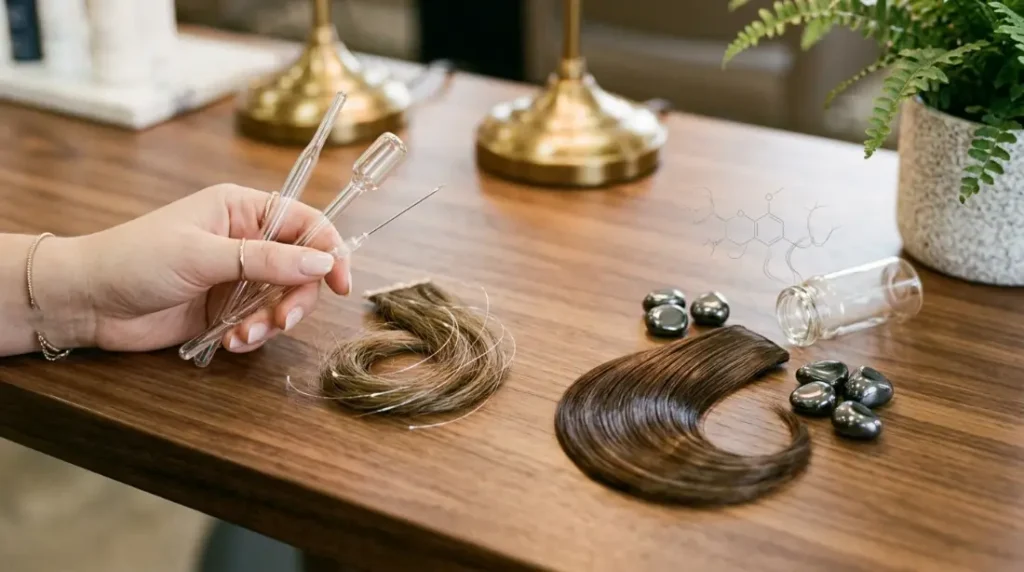
If you’ve been researching ways to transform dry, frizzy or damaged hair, you’ve probably come across Hair Botox. Despite its name, this popular treatment has nothing to do with cosmetic Botox injections. Instead, it’s one of the most effective ways to restore moisture, improve manageability and leave your hair looking healthier than ever. At Adrian D Salon, Hair Botox is one of our most requested treatments, especially among clients looking to combat the effects of Dubai’s climate. But before booking your appointment, here’s everything you need to know about what Hair Botox is, how it works and whether it’s the right treatment for you. What Is Hair Botox? One of the biggest misconceptions about Hair Botox is that it contains botulinum toxin—the ingredient used in cosmetic Botox treatments. It doesn’t. Hair Botox is a deep-conditioning and hair-repair treatment that coats the hair fibres with nourishing ingredients such as proteins, amino acids, vitamins and conditioning agents. These ingredients help fill in damaged areas of the hair, smooth the cuticle and restore softness, shine and strength. Unlike treatments that permanently alter your hair’s structure, Hair Botox focuses on improving the condition of your hair rather than changing it. The result is hair that feels healthier, smoother and much easier to manage. Common Myths About Hair Botox Because of its name, Hair Botox is often misunderstood. Let’s clear up a few common myths. Myth 1: Hair Botox contains Botox.Not true. Despite the name, there are no Botox injections or botulinum toxin involved. The treatment is purely focused on nourishing and repairing the hair. Myth 2: Hair Botox permanently straightens your hair.Hair Botox can help reduce frizz and make hair appear smoother, but it is not a permanent straightening treatment. Your natural hair texture remains the same, although it may feel softer and be easier to style. Myth 3: It’s only for damaged hair.While Hair Botox is an excellent repair treatment for dry or chemically treated hair, it’s also suitable for anyone wanting healthier, shinier and more manageable hair. Who Should Get a Hair Botox Treatment? Hair Botox is ideal for people experiencing: During your consultation, your stylist will assess your hair’s condition, texture and porosity to determine whether Hair Botox is the most suitable treatment or if another service would better meet your hair goals. What Results Can You Expect? One of the reasons Hair Botox has become so popular is because the results are noticeable almost immediately. After your treatment, you can expect: It’s important to remember that results vary depending on your hair’s condition before the treatment. Hair that’s severely damaged may require multiple sessions to achieve the best long-term results. How Long Does Hair Botox Last? Hair Botox isn’t a permanent treatment, but with the right aftercare, the results can typically last between two and four months. The longevity depends on several factors, including your hair type, how often you wash your hair, the products you use at home and your daily styling routine. Using sulphate-free shampoos and conditioners, reducing excessive heat styling and following your stylist’s recommendations can all help extend the life of your treatment. Aftercare Tips to Maintain Your Results The way you care for your hair after your appointment has a significant impact on how long your results last. Here are a few simple tips: These simple habits can help your hair stay smooth, shiny and manageable for longer. Is Hair Botox Right for You? Every head of hair is different, which is why there isn’t a one-size-fits-all solution. At Adrian D Salon, every Hair Botox treatment begins with a professional consultation. We assess your hair’s condition, texture, porosity and overall health before recommending the treatment that’s best suited to your needs. Our goal isn’t just to give you smoother hair for a few weeks—it’s to improve the long-term health and appearance of your hair. If you’re looking for a way to reduce frizz, restore moisture and achieve softer, healthier-looking hair without permanently altering your natural texture, Hair Botox could be exactly what your hair needs. Book your consultation at Adrian D Salon and let our experienced stylists help you discover whether a Hair Botox treatment is the right choice for your hair.
Why Your Hair Gets Frizzy in Dubai (And What You Can Do About It)
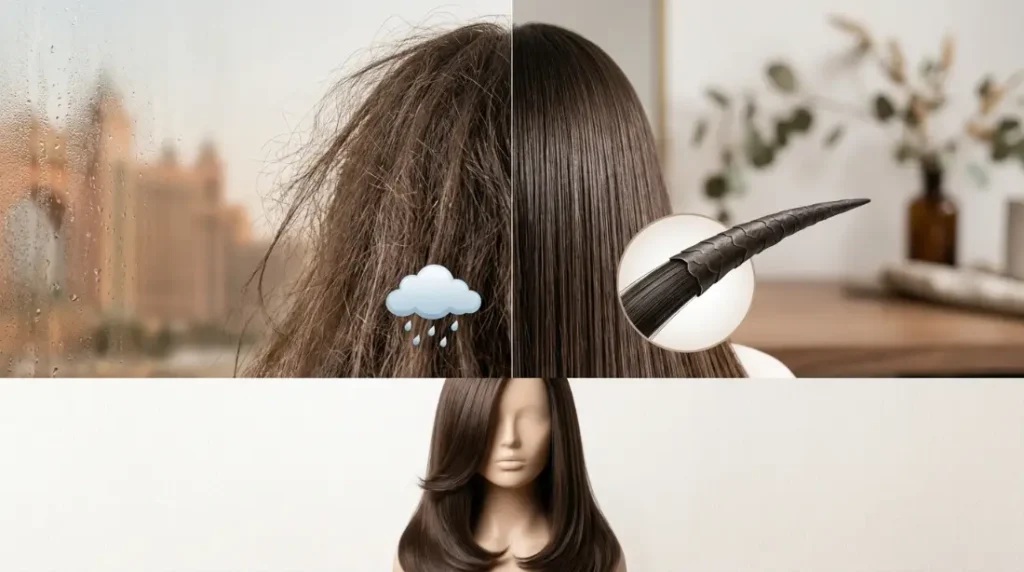
If you’ve ever stepped out of the salon with smooth, sleek hair only to find it turning frizzy after spending time outdoors in Dubai, you’re not alone. Dubai’s unique climate can be challenging for all hair types. From the intense summer heat to air-conditioned indoor spaces and occasional humidity, your hair is constantly exposed to conditions that can leave it feeling dry, unruly and difficult to manage. The good news? Once you understand what’s causing the frizz, it’s much easier to keep your hair looking healthy and smooth. How Dubai’s Climate Affects Your Hair Dubai’s weather is unlike many other places in the world. While the city is known for its heat, it’s not just the high temperatures that affect your hair. Constant exposure to the sun can strip your hair of its natural moisture, leaving it dry and more prone to frizz. At the same time, moving between the outdoor heat and heavily air-conditioned indoor environments can further dehydrate your hair, making it rough and difficult to manage. During the more humid months, moisture in the air can also cause the hair cuticle to lift, creating the fluffy, frizzy appearance that so many people experience. Whether your hair is straight, wavy or curly, Dubai’s climate can make keeping it smooth a daily challenge. Common Causes of Frizz While the weather certainly plays a role, frizz isn’t always caused by the climate alone. Hair that has been coloured, bleached or frequently heat styled is often more porous, meaning it absorbs moisture from the air more easily. This causes the hair cuticle to swell, leading to unwanted frizz. Other common causes include: The healthier your hair is, the better it can resist the effects of Dubai’s climate. Haircare Mistakes That Make Frizz Worse Sometimes, small everyday habits can make frizz even more noticeable. Washing your hair with very hot water can dry it out, while rubbing it aggressively with a towel creates friction that roughens the hair cuticle. Using heat styling tools without a heat protectant can also weaken the hair over time, making it more susceptible to frizz. Another common mistake is choosing products that aren’t suitable for your hair type. Heavy products may weigh fine hair down, while lightweight formulas may not provide enough moisture for thicker or curlier hair. A professional hair consultation can help identify the products and routine that work best for your hair’s unique needs. Best Salon Treatments for Frizz If frizz has become a daily struggle, professional salon treatments can make a significant difference. Depending on your hair type and condition, your stylist may recommend treatments that deeply nourish, repair and smooth the hair without compromising its health. Hair Botox is an excellent option for dry, frizzy or damaged hair, helping to restore moisture, reduce frizz and improve manageability while leaving the hair feeling softer and shinier. Deep conditioning treatments can replenish lost moisture and strengthen the hair from within, while personalised treatment plans ensure your hair receives exactly what it needs. The right treatment isn’t about making every client’s hair look the same—it’s about finding the best solution for your individual hair type and lifestyle. Home Care Tips for Smoother Hair While salon treatments provide long-lasting results, your daily routine plays an important role in maintaining smooth, healthy hair. Here are a few simple habits that can help minimise frizz: Consistency is key. Small changes to your routine can make a noticeable difference over time. At Adrian D Salon, we understand how the local climate affects different hair types and tailor every recommendation to your individual needs. Whether you’re looking for a nourishing Hair Botox treatment, a deep conditioning service or simply expert advice on caring for your hair at home, our experienced stylists are here to help. Healthy, smooth hair starts with understanding your hair—not fighting against it. Book your consultation at Adrian D Salon and let us help you achieve hair that’s easier to manage, healthier and beautifully smooth, no matter the season.
7 Signs Your Hair Is Damaged (And How to Fix It)
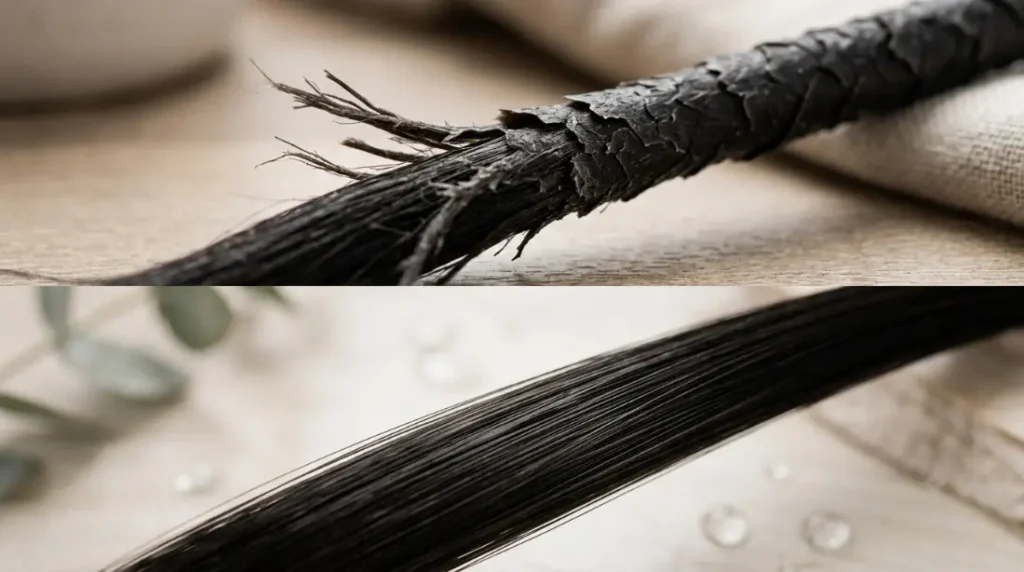
We all have the occasional bad hair day. But if your hair constantly feels dry, looks dull or breaks easily, it may be trying to tell you something. Hair damage can happen gradually over time from heat styling, colouring, environmental factors and even everyday habits. The good news is that recognising the signs early can help you restore your hair before the damage becomes more severe. Here are seven common signs of damaged hair—and what you can do to bring it back to life. 1. Split Ends and Breakage One of the most obvious signs of damaged hair is split ends. When the protective outer layer of the hair becomes weakened, the ends begin to split, making your hair look frayed and unhealthy. If left untreated, those splits can travel further up the hair shaft, leading to even more breakage. How to fix it: Regular trims are the best way to remove split ends before they worsen. Pairing trims with nourishing salon treatments can also help strengthen the rest of your hair and prevent future breakage. 2. Your Hair Feels Rough and Dry Healthy hair should feel soft and smooth. If your hair feels rough, brittle or straw-like, it’s likely lacking the moisture it needs. Frequent heat styling, chemical services and even exposure to the sun can strip your hair of its natural moisture, leaving it dehydrated. How to fix it: Deep conditioning treatments and moisture-rich hair masks can help replenish hydration. Your stylist can also recommend professional treatments that restore softness while improving the overall condition of your hair. 3. Frizz That Just Won’t Go Away Not all frizz is caused by humidity. Hair that has become dry or damaged often struggles to retain moisture, causing the cuticle to lift and create unwanted frizz. If your hair feels frizzy no matter how many products you use, damage may be the underlying cause. How to fix it: A professional smoothing treatment, such as Hair Botox, combined with the right at-home haircare routine, can help reduce frizz while restoring shine and manageability. 4. Loss of Shine and Elasticity Healthy hair naturally reflects light, giving it a smooth, glossy appearance. Damaged hair often looks dull because the cuticle becomes rough and uneven. Another sign is reduced elasticity. Healthy hair stretches slightly before returning to its original shape, while damaged hair snaps more easily. How to fix it: Restorative protein and moisture treatments can help improve strength, flexibility and shine. Your stylist can recommend the right balance based on your hair’s condition. 5. Heat and Chemical Damage Daily use of straighteners, curling irons and blow dryers, combined with colouring, bleaching or chemical treatments, can gradually weaken your hair over time. While these services are perfectly safe when performed professionally, repeated exposure without proper care can leave hair dry, fragile and prone to breakage. How to fix it: Giving your hair regular breaks from excessive heat, always using a heat protectant and investing in professional salon treatments can help minimise long-term damage and keep your hair healthy. 6. Your Hair Doesn’t Hold Style Like It Used To Have you noticed that your curls fall flat quickly or your hairstyle doesn’t last as long as it once did? Damaged hair often loses its natural structure and elasticity, making it more difficult to style and maintain throughout the day. How to fix it: A professional hair consultation can identify what’s causing your hair to lose its strength and help create a treatment plan that restores its health and resilience. 7. Increased Hair Breakage During Brushing Finding a few strands in your hairbrush is completely normal. However, if you’re noticing excessive breakage every time you brush or wash your hair, it’s worth paying attention. Weak, damaged hair breaks much more easily, especially when it’s wet. How to fix it: Be gentle when detangling, use a wide-tooth comb on wet hair, and avoid aggressive brushing. Strengthening treatments and regular trims can also help reduce breakage over time. How to Prevent Future Hair Damage Preventing hair damage is often easier than repairing it. Simple habits can make a big difference to the long-term health of your hair. Give Your Hair the Care It Deserves Damaged hair doesn’t happen overnight, and repairing it takes time. With the right combination of professional treatments, healthy haircare habits and expert advice, you can restore your hair’s strength, shine and softness. At Adrian D Salon, we begin every service with a personalised consultation to understand your hair’s condition and recommend the treatments that are best suited to your needs. Whether your hair needs deep hydration, repair or a complete refresh, our experienced stylists are here to help you achieve healthier, more beautiful hair—one appointment at a time.
Why Every Great Hair Transformation Starts with a Hair Consultation
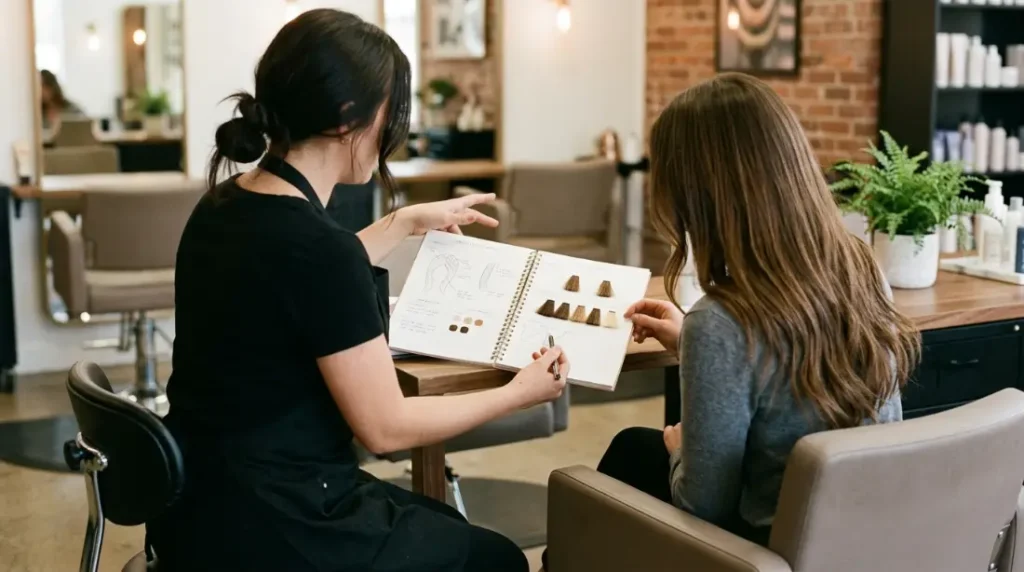
Whether you’re planning to colour your hair, repair years of damage, or simply try a new look, one step should never be skipped—a professional hair consultation. At Adrian D Salon, we believe that beautiful results begin with understanding your hair before recommending any service. Every head of hair is different, and what works perfectly for one person may not be suitable for another. That’s why taking the time to assess your hair helps us create results that not only look amazing but also keep your hair healthy. Understanding the Condition of Your Hair One of the first things a stylist looks at during a hair consultation is the overall condition of your hair. Has your hair been coloured multiple times? Is it dry from frequent heat styling? Has it become brittle after chemical treatments? These are all important factors that determine what your hair can safely handle. Your stylist will also assess the thickness and density of your hair. Fine hair may require a gentler approach to colouring and treatments, while thicker hair may need different techniques and longer processing times to achieve the best results. For example, if your hair is already heavily damaged, going lighter with bleach may cause unnecessary breakage. Instead, your stylist may recommend a restorative treatment first, allowing your hair to regain strength before moving on to a colour service. This personalised approach helps protect the health of your hair while working towards your long-term hair goals. Your Natural Hair Type Matters Not all hair behaves the same way. Straight, wavy and curly hair each have unique characteristics that influence everything from colouring techniques to treatment recommendations. Straight hair often reflects light more easily, making colour appear brighter and shinier. Wavy hair may require different cutting and styling techniques to enhance its natural movement. Curly hair, on the other hand, tends to be naturally drier and requires products and treatments that provide extra moisture and nourishment. Understanding your natural hair type allows your stylist to recommend services that work with your hair rather than against it, making it easier to maintain healthy, beautiful results long after you leave the salon. Why Hair Porosity Is So Important One of the most overlooked aspects of hair health is porosity. Hair porosity refers to your hair’s ability to absorb and retain moisture. Some hair absorbs colour and treatments very quickly, while other hair resists products and requires a different approach. If your hair has high porosity, colour may develop faster but fade more quickly as well. Low-porosity hair may take longer to process and often needs specialised techniques for treatments to penetrate effectively. By understanding your hair’s porosity, your stylist can choose the right products, processing times and techniques to achieve more predictable, longer-lasting results while keeping your hair in the best possible condition. Looking Beyond Your Hair A great consultation doesn’t stop at your hair—it also considers your scalp and your lifestyle. A healthy scalp is the foundation of healthy hair, so your stylist may check for dryness, excess oil, sensitivity or product build-up before recommending a treatment. Addressing scalp concerns early can make a significant difference to the overall health and appearance of your hair. Your daily routine is just as important. Do you enjoy styling your hair every morning, or do you prefer a low-maintenance look? How often do you use heat tools? Are you willing to visit the salon regularly for touch-ups, or are you looking for something that grows out beautifully with minimal upkeep? These are the kinds of questions that help your stylist recommend a haircut, colour or treatment that not only suits your hair, but also fits your lifestyle. After all, the best hairstyle is one that looks great and works for you every day. A Personalised Plan for Healthier Hair A professional hair consultation isn’t about selling more services—it’s about recommending the right services. Sometimes that means booking a hair colour appointment. Other times, the best first step might be a Hair Botox treatment, a deep conditioning treatment, or simply adjusting your home haircare routine before making any major changes. Every recommendation is based on what your hair needs today while helping you achieve the healthy, beautiful hair you want tomorrow. At Adrian D Salon, every appointment begins with listening. We take the time to understand your hair history, assess its condition, evaluate its unique characteristics, and create a personalised plan that’s designed specifically for you. Because the best hair transformations don’t happen by chance—they begin with the right consultation.